

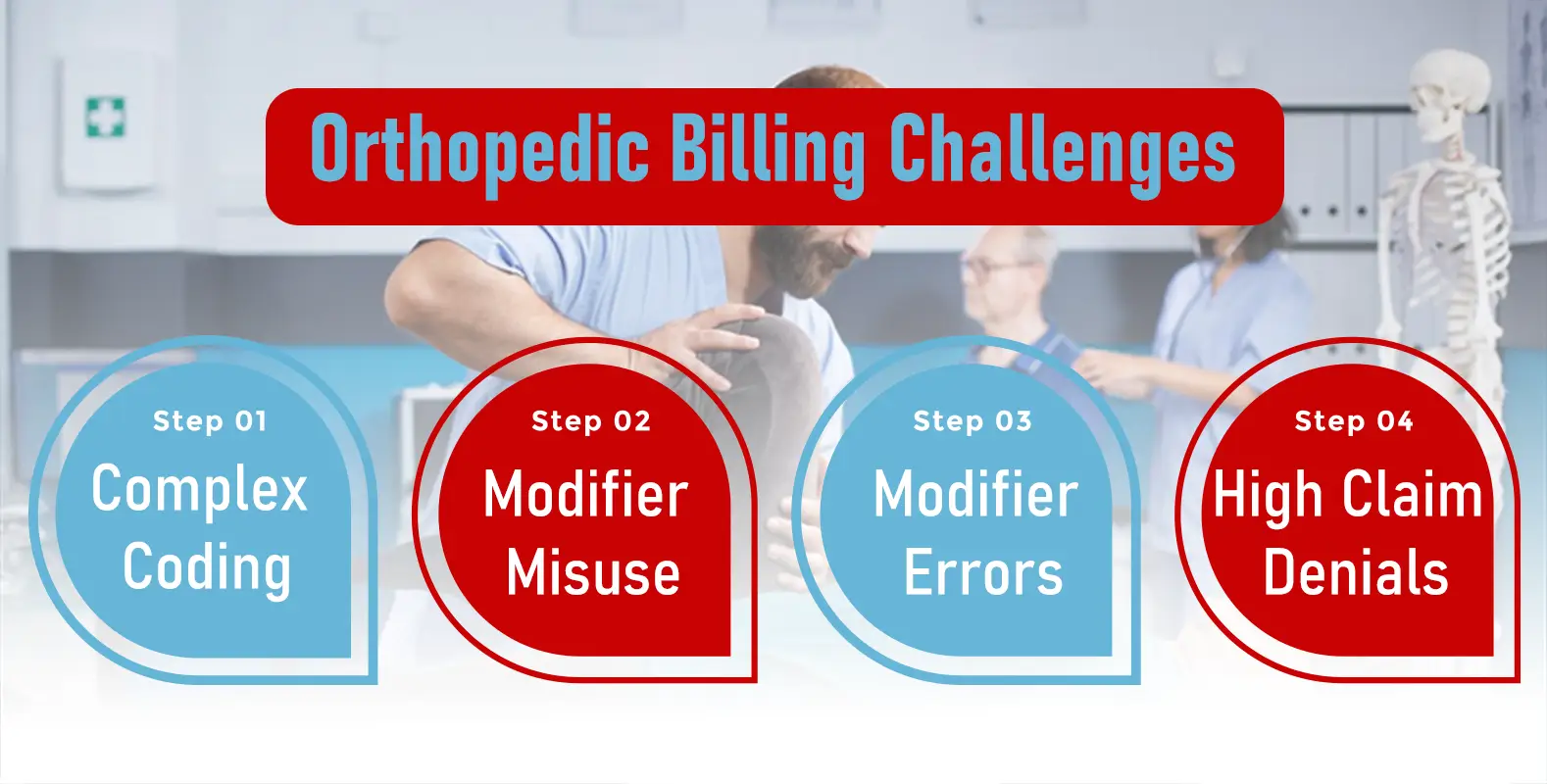
Orthopedic billing presents special difficulties, particularly in the post surgical phase when incorrect coding of claims, global period rules, payer specific restrictions are directly related to a loss in payments. By claim denials to underpayments, even the smallest billing mistakes can add up to hundreds of thousands of dollars lost for orthopedic practices. In this blog we will be looking at the most common types of orthopedic billing problems, how specialist billing for orthopedics and podiatry works in a Rural Health Clinic, as well as surveying the key difficulties surgeons face with their private practice billing. It also talks about the benefits of partnering with an orthopedic-specific billing firm, such as A2Z Billings, in order to receive optimal post-surgical collection reimbursements and sustain a healthy compliant revenue cycle.
Introduction: Why Orthopedic Billing Requires Specialized Expertise
Orthopedic medical billing is one of the most difficult specialties in Medical Billing Services because it involves long term care and surgery as well as high value procedures. Insurance claims are heavily scrutinized with orthopedic care, especially post-op treatment services to make sure that you meet global period guidelines; medical necessity; and follow your payer’s documentation rules. As payer policies change, orthopedic practices are under escalating pressure to file clean claims in an environment where there is always something new. Without a solid billing workflow and specialized expertise to prosecute the claim, practices deal with backlogged payments, higher denials and revenue leaks. Identifying Orthopedic Billing Issues: The First Step to Better Reimbursements.Understanding Orthopedic Billing Challenges Post-Surgery
When it comes to orthopedic billing post-op – there is a lot more involved than just adding on a procedure code. Every chargeable service must be accurately captured and buttressed by evidence, which means that surgeons, clinical staff, and billing collectors all have to work together closely. One of these issues is identifying what’s included in the global service package and separately billable services. Other times, when providers try to bill for post-operative visits or procedures and it is done incorrectly, carriers will deny the claims, even though they are medically necessary. Another ongoing challenge is the inconsistency in payers. Insurance companies have varying coding rules, modifiers and documentation that made it hard for practices to standardize billing operations. These difficulties underscore the importance of knowledgeable orthopedic billing assistance.Orthopedic Billing Challenges and Solutions
Complexity of CPT Coding in Orthopedics
Unlike many surgical procedures, orthopedic surgery is associated with a highly specific CPT code, which can be defined by operation performed according to approach and anatomical site, laterality of procedure performed, and whether the procedure was your first or secondary version. Why it matters: Even a tiny coding mistake can mean big cuts in reimbursement or even outright denial of the claim. “What works best is specialty-trained orthopedic coders who know the procedures and payer-specific coding logic. Routine coding audits and provider education likewise assist in lowering errors and increasing accuracy.Managing Global Surgical Periods
The majority of orthopedic surgeries have a 90-day global period and are inclusive of preoperative care, normal postoperative care and visits. Challenges to accurate global period application is a common struggle among practices, resulting in loss of revenue or compliance. Solid documentation and good modifier usage keep practices performing work related to the surgery from going unbilled during the global period. A robust billing process ensures that suitable services are paid without inappropriate payer policies.Modifier Usage and Reimbursement Impact
Modifiers are critical in orthopedic billing, particularly for bilateral procedures, staged surgeries, and unrelated post-operative care. Incorrect modifier usage is a leading cause of orthopedic claim denials. Consistent internal reviews and payer-specific modifier training help ensure modifiers are applied correctly. When used accurately, modifiers protect reimbursement and reduce unnecessary denials.Documentation Challenges in Post-Surgical Billing
Orthopedic claims are largely dependent on extensive documentation, derails such as operative notes, implant records and medical necessity claims. Lack of or ambiguous documentation is more likely to result in an audit or delays in claims processing. Consistent documentation formats and overlapping exam timing aid in supporting claims prior to submission. This “do it right the first time” strategy reduces rework and enhances first-pass claim acceptances.How Is Specialist Billing Handled in the RHC for Orthopedic and Podiatry Procedures?
How to code for billing orthopedic, podiatry in an RHC. .. receiving the appropriate reimbursement is a lot different at a RHC VS private practice. RHCs are for the most part paid on an all-or-nothing or a bundled payment model, meaning that RHC services are grouped and billed at once. Note: Orthopedic and podiatry services rendered in the RHC may be billable encounters depending upon the credentials of the provider and the type of services provided. Procedures are normally separately payable when performed in hospitals or ASCs, whereas E/M services may be served at the RHC encounter rate. Accurate categorization of services is necessary to avoid underpayment or audit exposure. Practices will need to be very clear on the line of demarcation between professional services, technical components and RHC-covered encounters if they are to get paid accurately.Common RHC Billing Challenges for Orthopedic and Podiatry Services
Misinterpretation of which services are included in the all-inclusive rate and fee-for-service billing is a problem that Bari points to when asked about issues she sees with RHC billing. Wrong revenue code usage leads to claim denials or underpayment. Another challenge is provider credentialing. RHC qualification criteria must be satisfied by both the orthopedic surgeon and podiatrist to receive appropriate reimbursement. Noncompliance with these will affect the PA’s eligibility for reimbursement. Fortunately, through partnering with a billing provider who is knowledgeable on RHC regulations, makes it easy for practices to negotiate those nuances – and to stay within CMS guidelines.What Are the Biggest Billing Challenges Surgeons Face in Private Practice?
On the billing side, private practice surgeons have their own special challenges with mounting administrative tasks and declining pay. Many times, a physician practitioner is too busy trying to see patients and then turn around review all the billing details. You have to be able to manage prior authorizations and dealing with payers. Even if you have authorizations, differences between approved services and billed procedures may result in denial. Private practices face added strain, from their need to cover lost cash flow resulting from payment delays, underpayments and appeals. If you do not have a billing department, income can slip through the cracks when it comes to delivering superior patient care only.Role of an Orthopedic Billing Company in Revenue Optimization
An orthopedic medical billing company that specializes in such services enables practices to concentrate on their patients while the experts take care of billing and compliance. A billing partner who specializes in orthopedics knows orthopedic-specific coding guidelines, payer requirements and how to be most effective in your post-surgical reimbursement. A professional billing company also includes denial management, appeals assistance and performance reporting to pin point revenue leakage. This forwards thinking guarantees steady cash and the future financial strength.Why Choose A2Z Billings for Orthopedic Billing Services
A2Z Billings specializes in orthopedic billing and revenue cycle management, helping practices overcome post-surgical reimbursement challenges. With a deep understanding of orthopedic coding, RHC billing, and private practice workflows, A2Z Billings delivers tailored solutions that improve accuracy and reduce denials. Our team focuses on maximizing reimbursements, ensuring compliance, and streamlining billing operations so orthopedic practices can grow with confidence. By partnering with A2Z Billings, practices gain a trusted billing partner committed to long-term success.Frequently Asked Questions
Orthopedic billing involves surgical global periods, complex CPT codes, heavy modifier usage, and strict documentation requirements, making it more challenging than many other specialties.
Certain orthopedic services can be billed separately depending on whether they qualify as RHC encounters or are performed in hospital or surgical center settings.
Denials often occur due to incorrect coding, missing modifiers, documentation gaps, or improper handling of global period rules.
Surgeons can improve reimbursement by outsourcing billing to specialists, ensuring accurate documentation, and implementing strong denial management processes.
A2Z Billings provides end-to-end orthopedic billing services, including coding, claims management, denial resolution, and compliance support to maximize reimbursements.